

The energy sector generates and manages enormous volumes of sensitive data. Seismic surveys, reservoir analyses, environmental impact assessments, facility specifications, licensing agreements, and financial models flow constantly between internal teams, contractors, regulators, investors, and joint venture partners.
That volume of data moving between that many parties creates one of the largest attack surfaces in any industry. And attackers have noticed. A report from Claroty found that ransomware attacks targeting industrial sectors have increased sharply, with energy infrastructure ranking among the most targeted categories. Detection times in the energy sector tend to be longer than the cross-industry average, meaning breaches often go unnoticed for months.
Traditional file sharing tools were never designed for this level of risk. Energy companies need a security-first approach to document management. Virtual data rooms provide exactly that.
Why Cloud Storage Falls Short for Energy
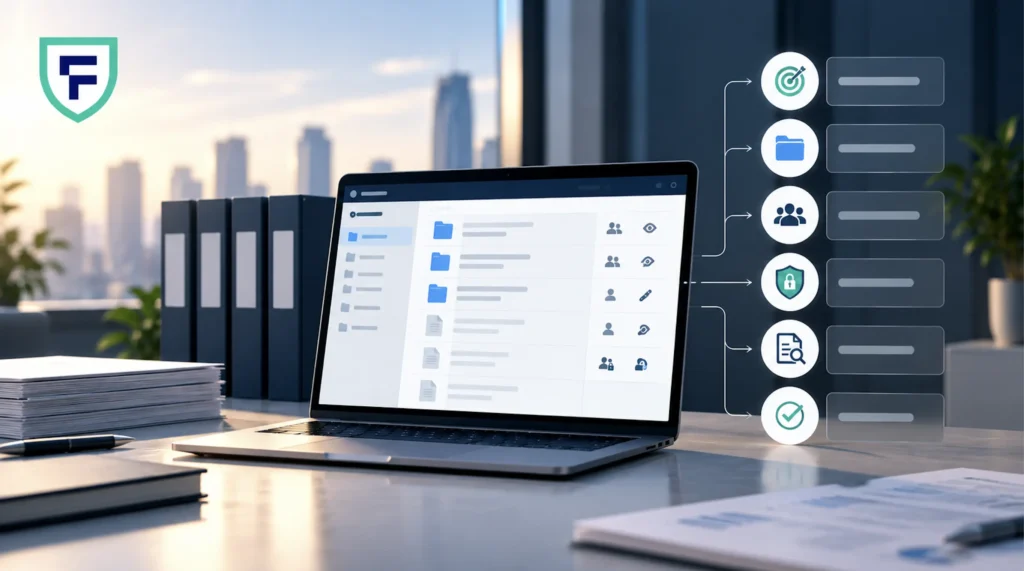
Energy operations involve collaboration across a wide range of stakeholders with different access needs. A geologist reviewing seismic data should not have access to financial projections. A contractor working on facility documentation should not see licensing agreements with government agencies. A joint venture partner should see project documents relevant to the partnership, but nothing beyond that.
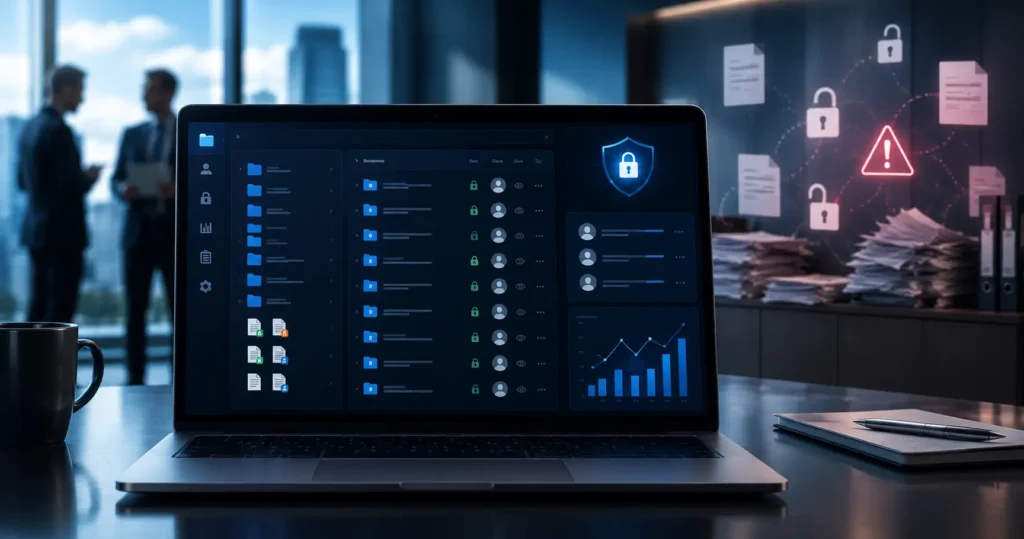
General-purpose cloud storage platforms make it difficult to enforce this kind of compartmentalized access. Most rely on simple folder-level permissions and shareable links. There is no built-in mechanism for controlling what a user does with a document after opening it, no watermarking for traceability, and no detailed audit trail showing exactly who viewed what, when, and for how long.
On top of that, energy companies deal with massive file sizes. Seismic datasets can run into terabytes. Standard cloud platforms often impose upload limits, file size caps, and flat folder structures that create friction in high-volume workflows. For sensitive energy transactions involving contractors, investors, and joint venture partners, a virtual data room platform provides controlled document sharing and detailed access tracking.
Key VDR Capabilities for Energy Companies
M&A and Asset Transactions
Oil and gas M&A transactions involve extensive due diligence across geological, environmental, regulatory, financial, and operational domains. Buyers need to review seismic surveys, well logs, reservoir analyses, environmental remediation plans, regulatory approvals, equipment inventories, and detailed financial models.
A virtual data room organizes all of this in a structured environment with role-based access. Sellers can track exactly who viewed what and for how long, which is valuable intelligence for gauging buyer interest. Deal teams can manage Q&A workflows directly inside the platform, keeping all communications documented and timestamped.
Joint Ventures and Partnerships
Energy projects frequently involve multiple partners who must share project documentation while protecting proprietary information. A VDR allows dynamic permissions that change based on project phases. During exploration, partners might have broad access. As the project moves toward production, access can be tightened based on ownership stakes and operational roles.
Version control is equally important. When multiple parties work on shared documents, a VDR ensures that everyone references the most current version, with full change history preserved for audit purposes.
Regulatory Compliance and Reporting
The energy industry operates under complex regulatory frameworks that vary by jurisdiction and cover environmental standards, safety requirements, operational permits, and financial disclosures. VDRs maintain complete audit trails, enforce document retention policies, and generate compliance reports that satisfy auditors and regulators.
For companies operating across borders, VDRs also help manage data residency requirements. Different jurisdictions may require that certain categories of data be stored within their borders. VDR providers with regional data center options, such as those available in India, the Middle East, and APAC, help address these requirements.
Fundraising and Capital Markets
Energy companies seeking project financing or investment need to share sensitive business information with potential investors without giving away competitive advantages. A VDR supports tiered disclosure, where different investor groups see different levels of information based on their commitment stage. Early-stage prospects might see a high-level summary, while committed investors gain access to detailed financial models and geological data.
Activity analytics show which documents investors spend the most time on, helping management teams gauge interest and tailor follow-up conversations.
Security Features That Matter
The security requirements for energy operations go beyond what most cloud storage platforms offer. Here are the features that matter most:
- AES-256 encryption for data at rest and in transit
- Multi-factor authentication to reduce credential-based attack risk
- Granular access controls enforcing the principle of least privilege
- Dynamic watermarking for document traceability
- Print and download restrictions configurable per user or group
- Real-time activity monitoring with automated anomaly alerts
- IP and domain restrictions to block access from unauthorized networks
- SOC 2 and ISO 27001 certifications validated through independent audits
These features work together to create a defense-in-depth model where no single point of failure can expose sensitive information.
Managing Massive Data Volumes
Energy companies generate more data than most industries. Seismic surveys, drilling logs, environmental monitoring records, equipment specifications, and satellite imagery all contribute to enormous repositories that need to be organized, searchable, and secure.
VDR platforms designed for high-volume industries offer unlimited storage, bulk upload capabilities (including full directory structure preservation), hierarchical folder organization, and metadata tagging that makes it possible to find specific documents across thousands of files. Advanced search functionality, including OCR for scanned documents, helps users locate information without manually browsing through folders.
Global Operations and Data Residency
Energy projects often span multiple countries, time zones, and regulatory jurisdictions. This creates challenges around data residency, language support, and access availability.
VDR platforms address these challenges through cloud-based access available 24/7 from any location, mobile optimization for field personnel in remote areas, and regional data center options for jurisdictions with data localization requirements. Providers like FirmsData offer data servers in India with expanding coverage across the Middle East, Southeast Asia, the US, and Europe, which is particularly relevant for energy companies with APAC and Middle East operations.
Cost-Benefit Considerations
VDRs cost more than general cloud storage, but the return shows up in multiple areas. Administrative overhead drops because document management is centralized and automated. Transaction timelines shrink because due diligence processes are streamlined. Travel expenses decrease because remote collaboration reduces the need for in-person document reviews. And the risk reduction value is substantial: preventing a single data breach, regulatory violation, or deal failure can justify years of VDR costs.
For energy companies that handle sensitive data, manage complex multi-party collaborations, and operate under strict regulatory oversight, a virtual data room is not a premium add-on. It is a baseline requirement for secure, efficient operations.